How to Backpack Guatemala, or American Imperialism on Work-cation
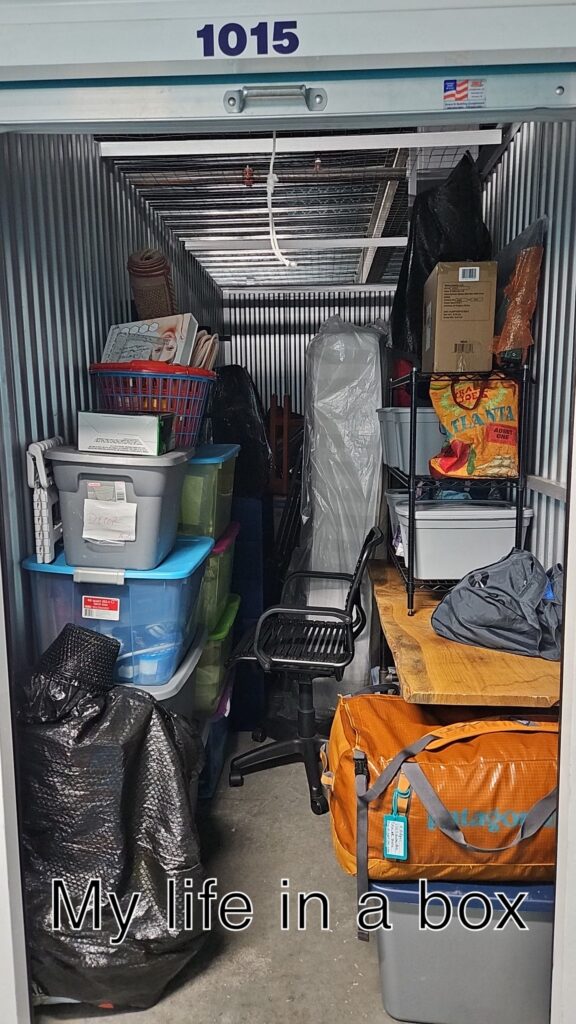
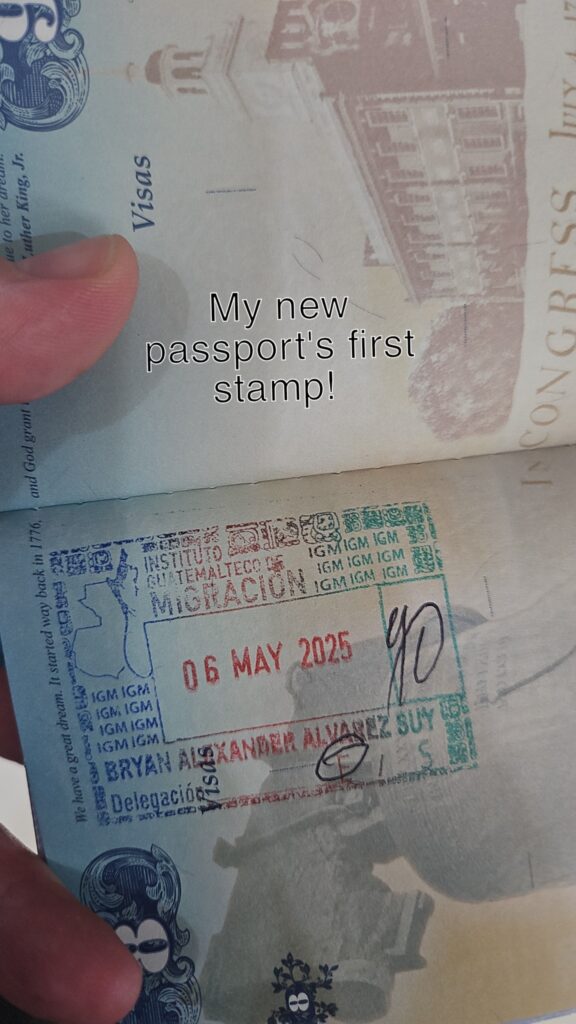
This past May, I stuck my stuff in storage, and my backpack and I took a one-way plane ride to Guatemala City. Of course, the locals call their capital city “Guatemala,” or “Guate,” so you’d better know where you’re going. I barely did. I knew I was staying in Guate for three nights at a hostel in the financial district, but I was going to let other travelers tell me where they’d been. And I was going to backpack Guatemala by following their tracks… and get off the beaten path a little bit.
I’m a 32-year-old remote editor who’s been backpacking since 2012. I’ve heard enough randos snoring in a bunkbed to learn I like my privacy at the end of a long travel day. But I do still go to hostels for the vibes. I want to work in a place with strong Wi-Fi and ask the inevitable German twenty-somethings where the good tours start. But I don’t want to sleep underneath them.
So when I got to Guatemala City, I did just that. I rented a room at Tequila Sunrise and heard over and over from travelers that they were using the city (the most populous in Central America, by the way) as a stopover from one locale or the airport to another.
Call it old age or digital nomad privilege, but I like to take my time. So I stayed there for 3 nights (and then 7 at the tail end of my Guate stay) and did the following:
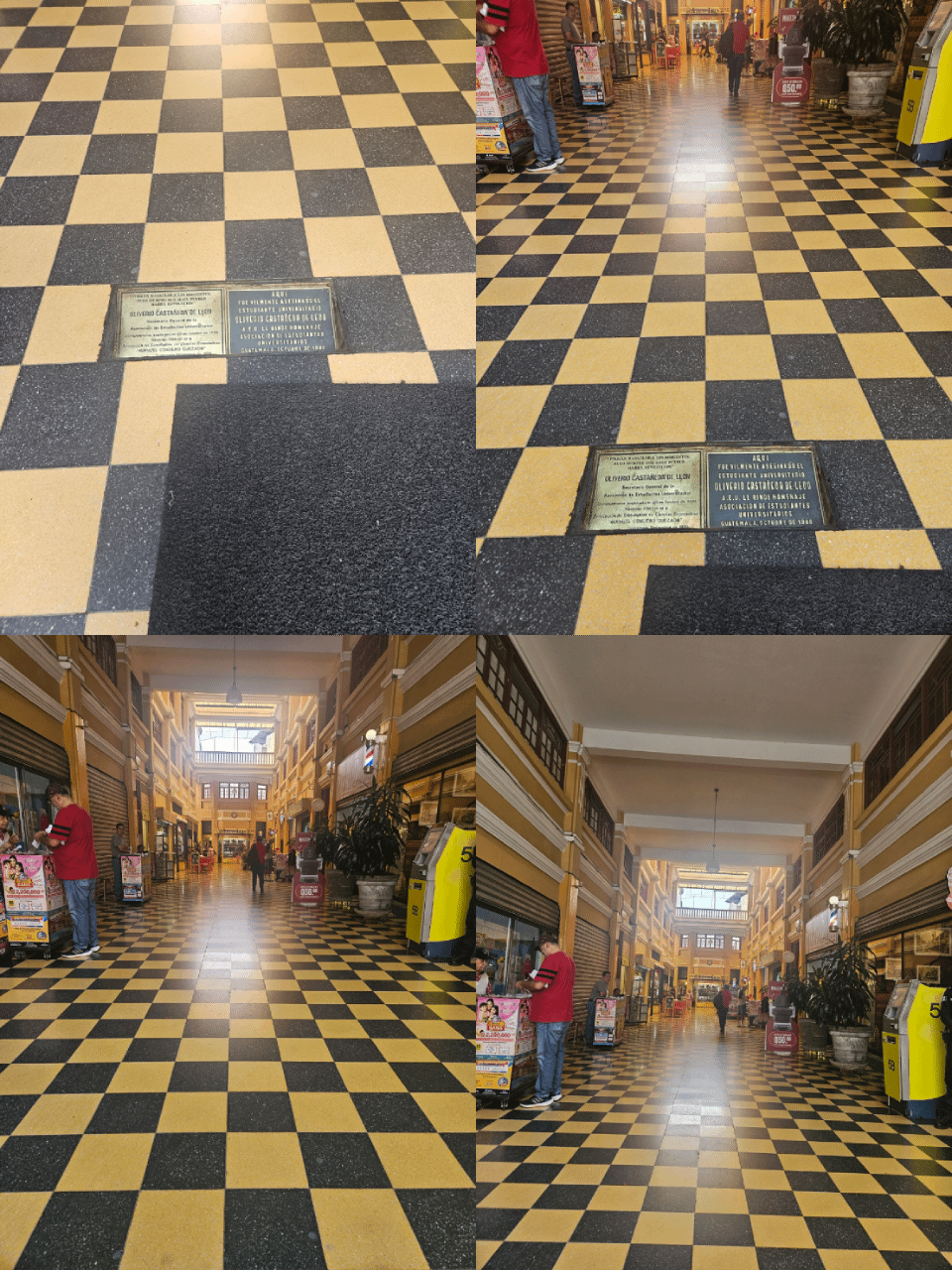
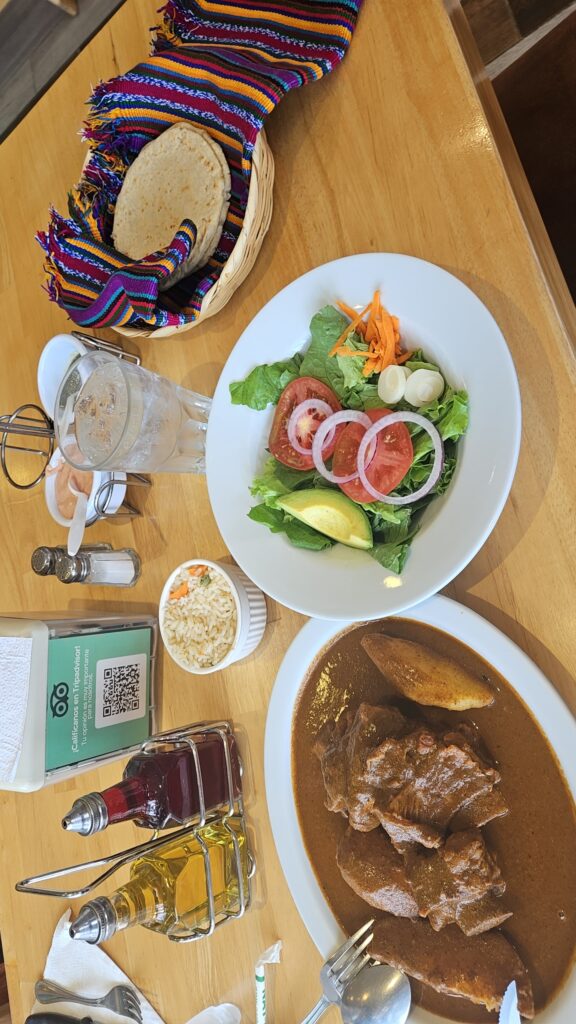
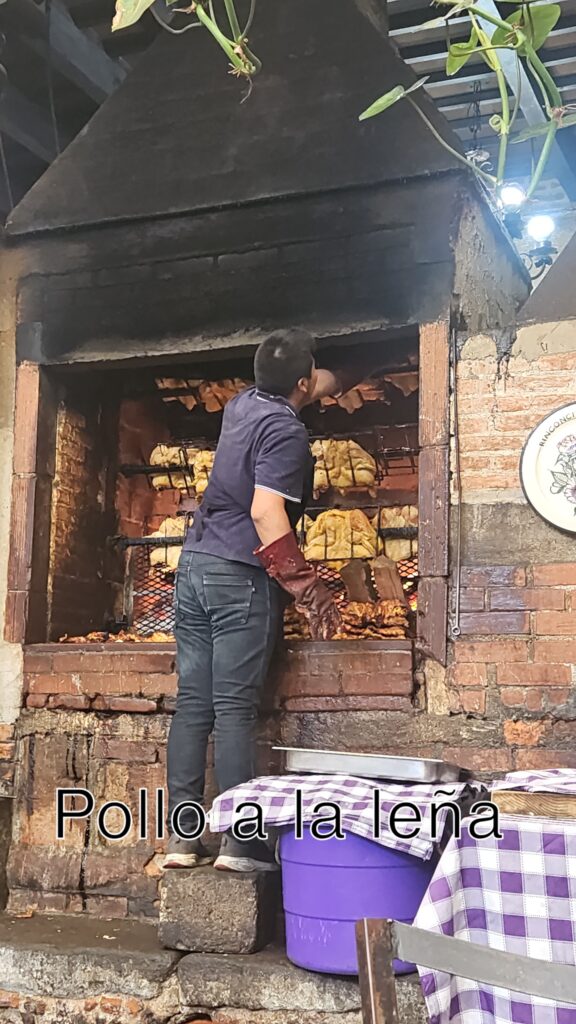
I walked from Zone 4 (the bougie finance district) about a mile away to Restaurante La Colmena, all the while choking back traffic smog and listening to the political history of Guatemala on the Historias Unknown podcast. Over roast chicken and fries in a nearly empty restaurant, motocicletas roaring out the locked mesh screen door, I heard how the newly minted United States CIA conducted a coup against the democratically elected president of Guatemala. This threw the country into a decades-long civil war (if you can call it that) that resulted in the death, kidnapping, and disappearance of hundreds of thousands of Guatemalans, mostly indigenous.
When I was done eating, I asked the restaurant owner whether it was safe to walk back in the dark. He thought for a moment and said, “Vaya con dios.”
That was good enough for me!
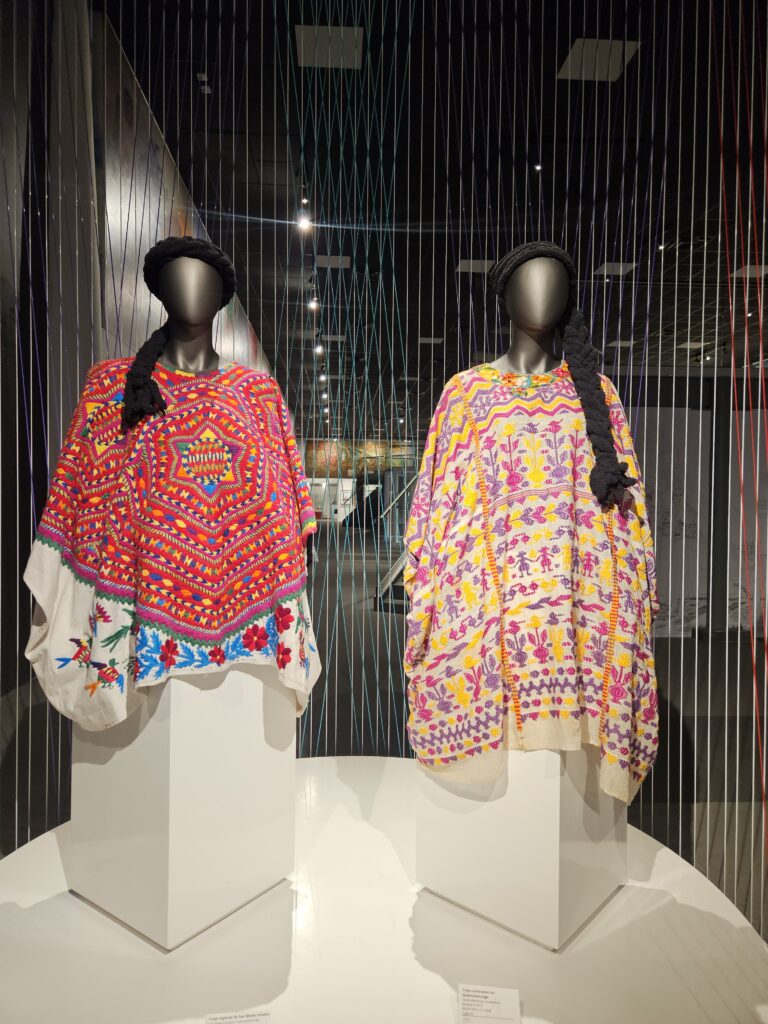
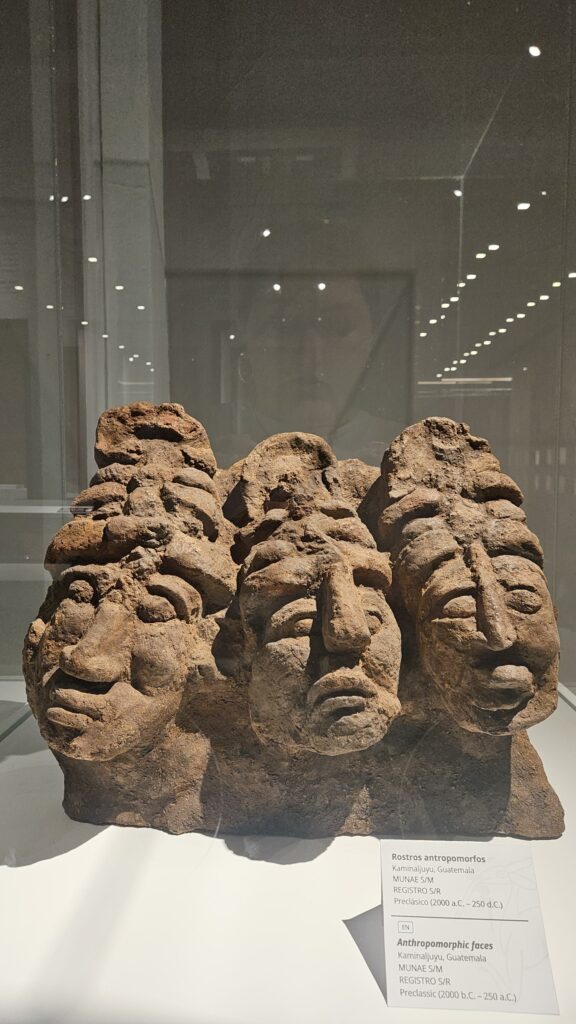
Over the next few days, I walked all over the city: to the Anthropology Museum (the docent there expressed so much happiness that an American tourist had come to his museum. He wants the world to know Mayan culture is alive and well); the Textiles Museum, where I had the most informative tour about the history of clothing in Guatemala. It helped orient me to regional styles, the tedious handmade labor, the intertwining of clothing with religion and religion with traditional beliefs.
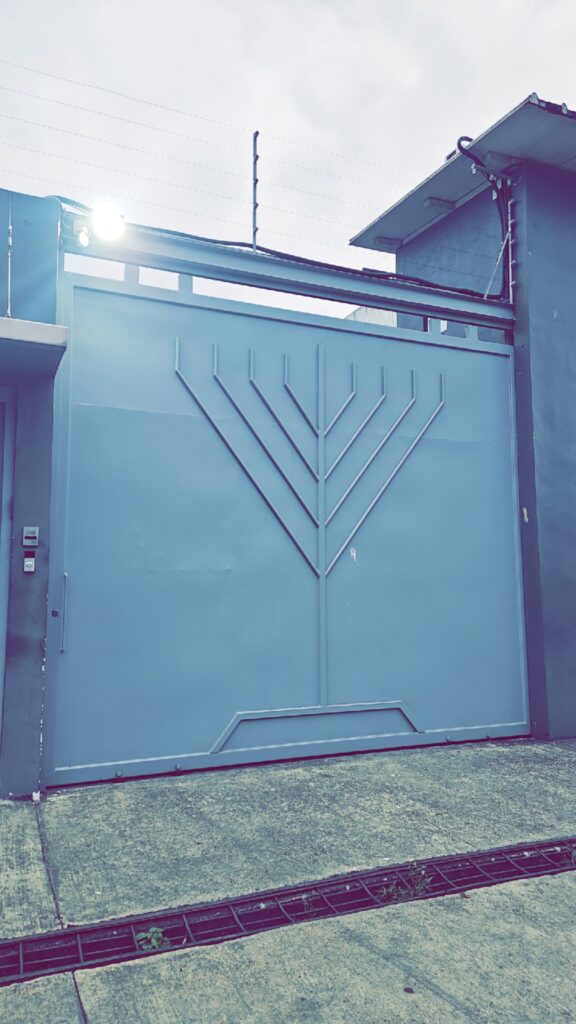
One Shabbat eve, I took my second moto-taxi in the city to Chabad, wondering if the helmet an earlier driver had offered me was a fluke (Spoiler: It would be the last helmet anyone offered me in the 5 weeks I spent in Guatemala). When I got to Chabad, there was a giant metal gate and a guard in a tower who demanded to see my passport. The rabbi’s son-in-law gave me a grilling when he didn’t recognize me, asking where I was from and who the Chabadniks are in my home city. When he eventually let me in, I shared a gorgeous meal served by the rabbitzen and two Guatemalan workers, and I thought it was the ritziest Chabad I’d ever seen. Not that they usually swear a vow of poverty like the monks and the nuns, but life was definitely different down here.
Several of the other travelers who were guests that night told me they were in Guate to rescue their families. Children had been abducted by a religious cult that had landed in the country to flee prosecution elsewhere. The government had taken the children into its custody, but the legal system was proving to be more Kafkaesque than they had bargained for. I learned that not everyone travels to this country for the hot springs.
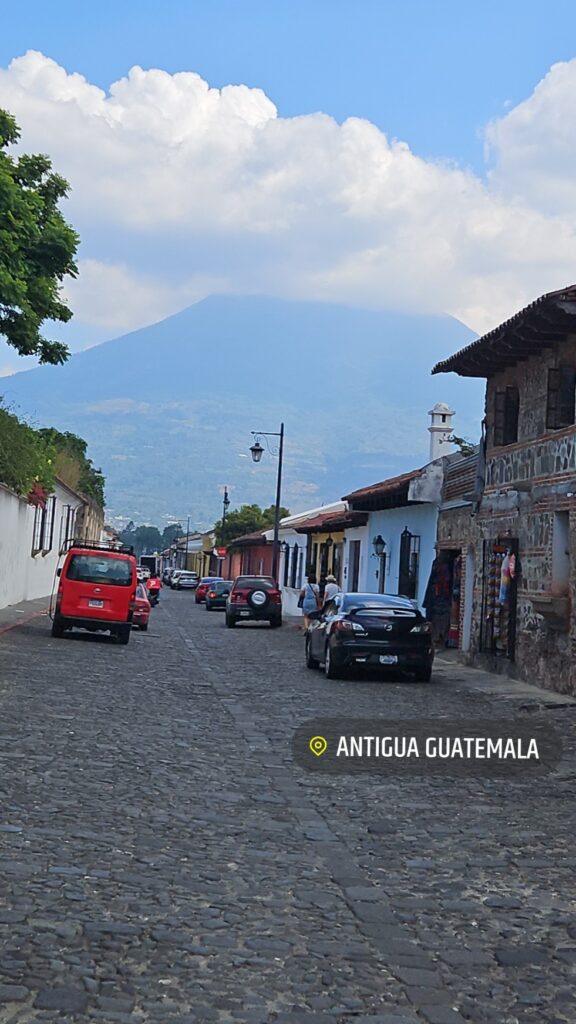
With that, I took my first leave of Guatemala City, heading then to Antigua, as you do when you travel light. I can’t believe how many people said, “You’re staying here five weeks? What is there even to do here for that long? You can see the whole country in two!”
Now, I have the best boss (or the worst, depending on your POV); she don’t care where I work from as long as I put the keystrokes on the page. So for all y’all who have limited PTO, I’m sorry, but I’m gonna work from the jungle as long as I can afford to pay the ExtraSpace Storage bill, you know what I mean?
And as I learned more and more about the country—its handwoven textile traditions, its political history, the long-forgotten nature of the Central American Republic, the fried chicken oligarchies, and the best cardamom coffee I’ve ever tasted—I wondered how the hell you could think you had seen it all in two weeks. The land is so rich there (and I’m not just talking about potassium or bananas).
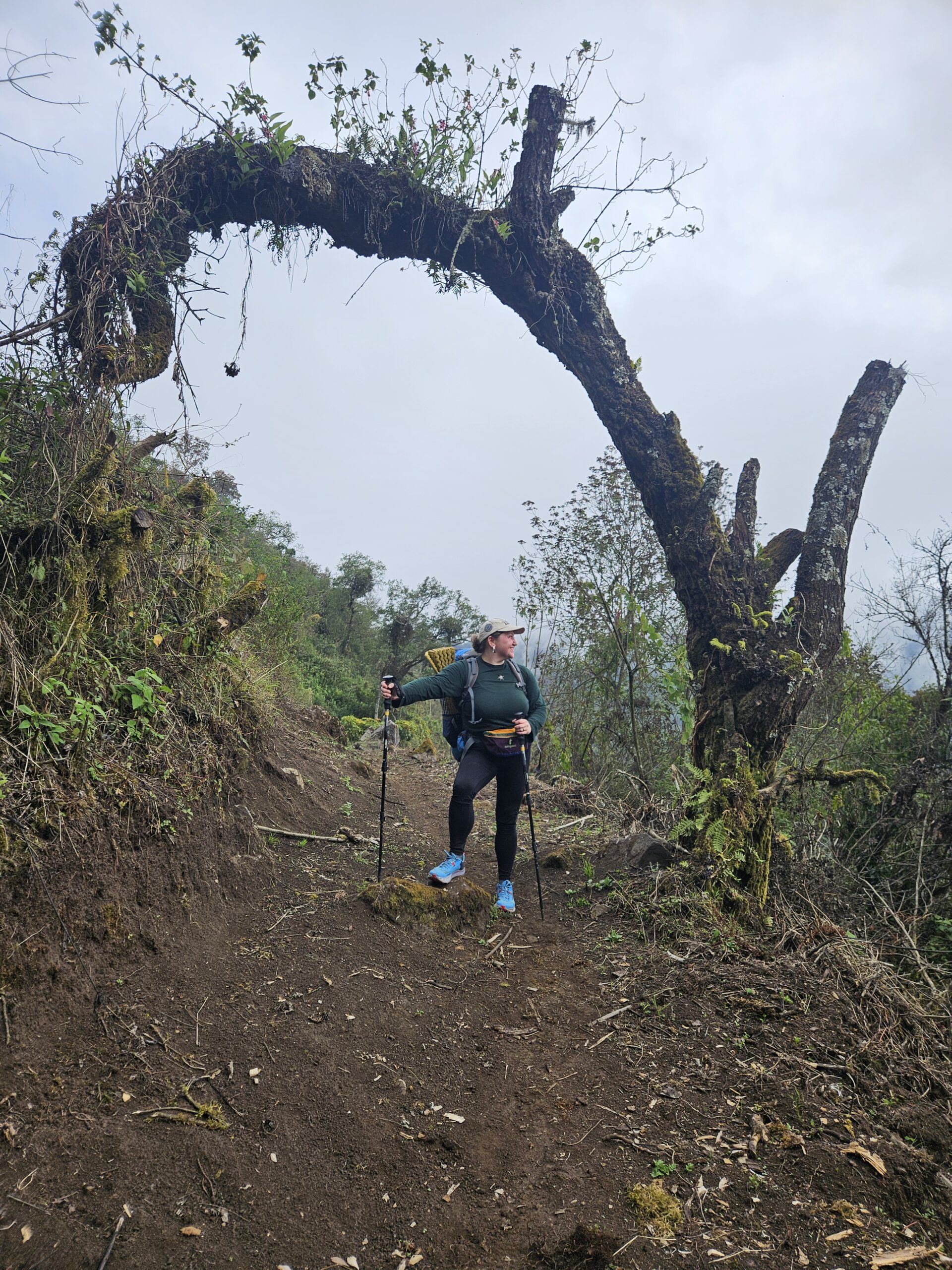
Besides the typical tourist hot spots, I went to Coban; Chichicastenango, where I had a homestay overnight to tour not only the market but also the cemetery and the mask museum; Flores and Tikal; Antigua (of course); took a circumventing hike around Lake Atitlan (also of course, but there was something sinister about that place); the suffocating humidity of Rio Dulce and Lake Izabal (and yes, I did trek to natural hot springs, despite the heat); and the gorgeous and wonderful Xela, where I climbed a freaking volcano.
Go, go, go to the tourist places. Go to the hippie town of San Juan on Atitlan and get your tattoos and drug mixers. Hike Volcan Acatenango to see smoke belching out of the earth. But as you go, I hope you learn something. About living relics. About western interventionism. Hear terrible tales of banana republics and the people living in them for thousands of years before the motorboat and cell phone arrived.
It’s worth staying in Guate more than one night before your flight. The capital tells a lot about the country, that’s for damn sure. And have fun!